The Complete PPC Playbook for Water and Fire Restoration Owners

Pay-per-click advertising is one of the most effective channels for restoration companies, but it is also one of the easiest to waste money on if not done correctly. High-intent searches for water damage cleanup, fire restoration, and mold remediation can produce valuable leads within minutes, but only when campaigns are managed strategically. Many restoration owners try PPC once, get poor results, and assume it does not work. In reality, PPC becomes a powerhouse when you follow a proven system built specifically for emergency-based services. This playbook outlines how restoration owners can use PPC to produce reliable, profitable, and scalable lead flow.
The first principle of a strong PPC system is intent targeting. In restoration, search intent determines everything. You want to target homeowners who are actively seeking help, not people looking for general information. This means focusing on keywords like water damage restoration near me, emergency water removal, fire damage cleanup, and mold remediation services. These keywords reflect real emergencies and convert into high-quality leads. Restoration Growth Partners builds keyword lists based on actual search patterns from restoration customers across multiple markets, ensuring your budget goes toward the terms that matter most.
Negative keywords are equally important. Without them, your ads will appear for irrelevant searches like DIY cleanup guides, home repair articles, or general contractor queries. These clicks drain your budget and attract leads that will never convert. An effective PPC campaign includes a detailed and continuously updated negative keyword list to protect your budget and improve targeting accuracy.
Ad copy must be built around urgency and trust. Homeowners facing water or fire damage want reassurance, clarity, and fast help. Your ads should communicate availability, emergency response times, insurance guidance, and expertise. Simple, direct language outperforms overly creative messaging. For example, Fast Emergency Water Cleanup Available 24 Hours communicates exactly what stressed homeowners need to see.
Landing pages determine whether clicks turn into booked jobs. Most restoration companies send PPC traffic to their homepage, which is a major mistake. Homepages contain too many distractions and do not guide the visitor toward action. A dedicated landing page focuses on one service, one message, and one call to action. It should load fast, show clear benefits, include trust indicators, and offer simple contact options. Restoration Growth Partners creates high-converting landing pages designed specifically for emergency situations, reducing bounce rates and increasing calls.
Call tracking is essential in PPC. Without tracking, you cannot determine which keywords produce calls, which ads drive the highest value leads, or which landing pages convert best. Tracking also helps record calls for quality control and sales training. Restoration owners who do not track calls cannot optimize their PPC campaigns effectively and often waste money without realizing it.
Bidding strategy influences performance and cost. Manual bidding allows for fine-tuning in competitive markets, while smart bidding can optimize based on conversions when enough data exists. Restoration companies must also consider whether to use exact match, phrase match, or broad match modified keywords. Each has strengths and weaknesses. Restoration Growth Partners chooses match types based on market size, competition level, and budget to balance visibility with lead quality.
Geo-targeting is another crucial factor. Restoration services depend on proximity. Ads should target the exact service radius where your team can respond quickly. Overly broad targeting wastes money on leads outside your area. Hyperlocal targeting improves relevance and increases conversions.
Ad extensions help improve click-through rate and ad visibility. Extensions such as call extensions, location extensions, structured snippets, and service descriptions give potential customers more information before clicking. This builds trust and increases the likelihood of attracting high-intent leads.
Retargeting adds a second layer to your PPC system. Many homeowners search multiple companies before calling. Retargeting keeps your brand visible as they compare options. This helps convert warm leads who may not have called on their first visit. Retargeting can run on Google Display, YouTube, Facebook, and Instagram to stay top of mind.
Local Service Ads should run alongside PPC campaigns. When both are active, your company dominates the top of the search results. Local Service Ads capture direct calls, while PPC ads capture clicks and form submissions. This creates a complete visibility strategy that maximizes every emergency search.
Continuous optimization is what makes PPC profitable long-term. Weekly adjustments to bids, keywords, negative keywords, ad copy, and landing page performance keep your campaigns sharp. Seasonal trends, competitive shifts, and local weather patterns all influence search behavior. Restoration Growth Partners monitors these changes to ensure PPC campaigns remain effective year-round.
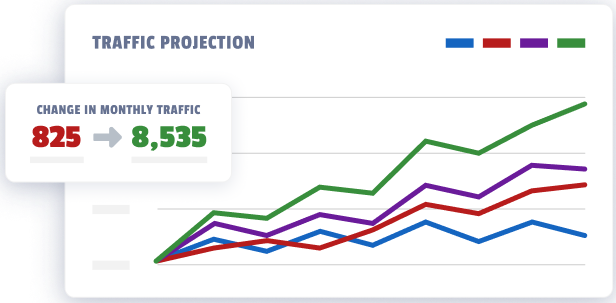
Scaling PPC requires understanding cost per lead, cost per job, and lead conversion rate. Once you know your numbers, you can increase budgets confidently. PPC becomes a predictable growth engine when you scale based on data rather than guesswork.
The complete PPC playbook helps restoration owners eliminate waste, improve lead quality, and generate steady emergency calls. When executed correctly, PPC is one of the most powerful drivers of growth in the restoration industry.
Restoration Growth Partners helps companies build high-performing PPC systems that increase calls, maximize ROI, and support long-term expansion.