Why Most Restoration Websites Fail to Convert and How to Build a High Performing Web Experience

Most restoration companies assume that having a website is enough to generate calls. But most restoration websites fail to convert because they are built like online brochures instead of emergency response tools. Homeowners visiting a restoration site are stressed, confused, and looking for immediate help. If your website does not give them clarity, speed, and reassurance within the first few seconds, they leave. Restoration website conversions improve dramatically when the site is built to match the psychology of an emergency caller.
The first reason restoration websites fail is weak messaging. Many sites use vague language such as full service restoration or we handle all types of damage. Homeowners in crisis need specific clarity. They search for water removal, ceiling leak cleanup, or mold odor inspection. When your site does not clearly address their exact concern, they hesitate. High converting restoration websites use simple language that communicates three things fast. What you do, how fast you can get there, and why they can trust you.
The second reason websites fail is lack of immediate action points. Many sites bury their phone number, hide contact buttons, or require scrolling to find help. During emergencies, people do not read. They look for the call button. High converting restoration websites display bold, visible action buttons at the top of every page. They provide click to call, click to text, and instant scheduling options. The easier you make it to reach you, the higher your restoration website conversions become.
Speed is another major factor. Most restoration websites load slowly because of large images, outdated hosting, or poor code structure. Slow loading destroys conversions. Homeowners abandon pages that take too long to open, especially during emergencies. Site optimization and fast hosting significantly increase conversions by reducing bounce rates. Even a one second improvement can create a measurable increase in calls.
Trust signals also influence performance. Homeowners want reassurance that you are legitimate. When websites lack reviews, certifications, and clear experience, customers feel uncertain. Adding customer testimonials, reviews from Google, photos of technicians, and badges like IICRC certification builds credibility. These trust elements dramatically improve restoration website conversions because they reduce hesitation.
Clarity of services is another essential factor. Many restoration websites list too many services on one page, confusing visitors. Each core service should have its own dedicated page with specific language, photos, FAQs, insurance guidance, and step by step process explanations. Clear service pages improve SEO, increase time on site, and boost conversions by helping customers find the exact information they need.
Another reason websites fail is poor mobile experience. More than half of emergency restoration searches come from mobile devices. If your site is hard to navigate on a phone, you lose jobs. Buttons must be easy to tap, text must be readable, and layouts must adapt seamlessly. Mobile optimization is one of the most powerful ways to increase restoration website conversions.
Visuals influence trust as well. Stock images look fake and reduce credibility. Real photos of your team, trucks, equipment, and job sites create authenticity. People want to see who will show up at their home. Authentic visuals create emotional reassurance that strengthens conversions.
Content also matters. Many restoration websites include generic descriptions that do not educate customers. High converting sites explain what happens next. They answer questions such as how long does drying take, will insurance cover this, and what should I do until help arrives. When visitors understand the process, they feel more confident contacting you. Educational content drives both SEO growth and conversion performance.
Chat tools and instant messaging can further boost conversions. Some customers prefer text communication, especially during stressful situations. Offering live chat or automated chat response gives visitors another pathway to reach you. This reduces friction and increases overall contact volume.
Tracking is the final piece. Companies must know which pages convert best, how long visitors stay, and where they exit. Tracking tools such as heatmaps, call tracking numbers, and analytics dashboards reveal friction points. Once you identify these areas, you can improve them and increase restoration website conversions steadily over time.
Restoration Growth Partners helps companies rebuild websites focused on conversion psychology rather than aesthetics. We optimize structure, messaging, trust elements, speed, and mobile performance to turn your website into a true emergency response tool.
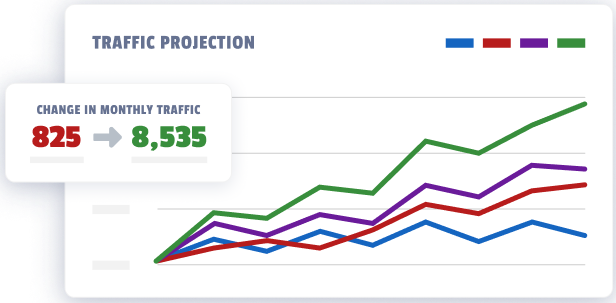
Restoration website conversions rise when clarity replaces confusion, speed replaces delay, and trust replaces uncertainty. A high performing website is not optional. It is a competitive advantage that generates calls consistently and reinforces your reputation as the reliable choice in your market.