The Best Paid Traffic Strategy for Fire and Water Restoration Businesses

Paid traffic is one of the fastest ways for fire and water restoration companies to generate high-quality leads. When a homeowner faces an emergency, they search online with a strong intent to hire. Paid ads position your business at the top of those searches and allow you to capture jobs before competitors have a chance. But not all paid traffic strategies work the same. Restoration companies often waste money on broad campaigns that do not convert or lack the systems needed to turn clicks into booked jobs. The most effective approach requires a clear structure, tight targeting, and a strong follow-through process.
The foundation of paid traffic success begins with understanding homeowner behavior. In a fire or water emergency, people do not have time to compare multiple companies. They choose whoever appears most credible, most available, and closest to their location. This means the first company they see with a strong message has an enormous advantage. A paid traffic system that focuses on emergency-driven intent consistently outperforms generic advertising.
Google Ads is the most powerful platform for restoration companies because it captures search intent. Homeowners type in urgent phrases like water damage cleanup near me or fire damage restoration company. When your ad appears at the top of those results, you immediately become a leading candidate. The key is targeting high-intent keywords and avoiding broad terms that attract low-quality clicks. Restoration Growth Partners creates targeted keyword lists that focus on the exact phrases that convert best across multiple markets.
Ad copy plays a major role. Strong ads communicate emergency availability, rapid response times, and credibility signals. When homeowners read that your team can arrive quickly, works with insurance, and handles all aspects of cleanup, they feel relieved and are more likely to click. Clear messaging beats overly creative approaches because the customer’s priority is resolving their crisis as fast as possible.
Landing pages determine whether clicks turn into calls. Many restoration companies make the mistake of sending paid traffic to their homepage. Homepages contain too much information and do not guide the visitor. A high-converting landing page focuses on one service and one action: calling for immediate help. It should load quickly, highlight service details, include trust indicators, and offer a clear path to contact. Restoration Growth Partners builds landing pages designed specifically for emergency response, which increases conversion rates and reduces wasted ad spend.
Local Service Ads also play an important role. These ads appear above traditional Google Ads and allow homeowners to call directly. They operate on a pay-per-lead model, which is highly beneficial for restoration companies. To maximize results, your profile needs strong reviews, accurate service details, and fast response times. When combined with Google Ads, Local Service Ads create a powerful paid traffic system that covers every stage of search intent.
Facebook and Instagram ads can support remarketing and education. While they do not capture emergency search intent as effectively as Google, they help restoration companies stay visible, build brand awareness, and retarget website visitors. These channels reinforce credibility and increase the likelihood that homeowners choose your business if an emergency occurs later.
Tracking ties all paid traffic strategies together. Without call tracking and form attribution, restoration companies cannot tell which keywords, ads, or landing pages produce the highest quality leads. Tracking allows you to remove waste, increase profitability, and quickly scale winning campaigns. Restoration Growth Partners implements detailed tracking systems so owners understand exactly where their returns come from.
Follow-up systems enhance performance even further. If a call is missed or a form is submitted after hours, automated responses keep the lead engaged. This prevents lost opportunities and improves booking rates. In restoration, speed matters. A follow-up can make the difference between winning and losing a job.
Budget allocation should reflect real demand. Fire and water emergencies spike during certain seasons or weather events. Paid traffic systems should increase budgets during high-demand periods and maintain steady coverage year-round. A flexible budgeting approach ensures top visibility at the moments that matter most.
Optimization is the final piece of an effective strategy. Paid traffic is not set and forget. It requires weekly adjustments based on performance, lead quality, keyword trends, and competition. Restoration Growth Partners monitors campaign data and makes ongoing improvements to ensure ad dollars generate strong returns.
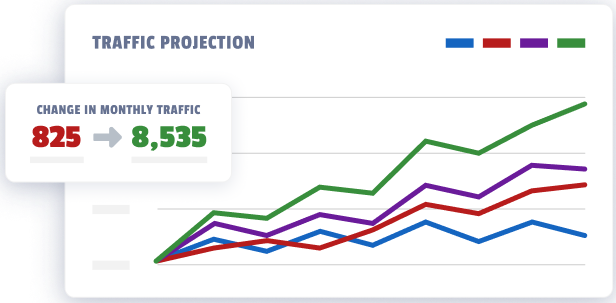
When a restoration company uses a completely paid traffic strategy built on targeted keywords, strong ads, high-converting landing pages, tracking, and fast follow-up, the results are transformative. Lead flow increases, cost per lead decreases, and revenue becomes more predictable.
Paid traffic is one of the most valuable growth channels for fire and water restoration businesses because it captures homeowners at their moment of need. With the right strategy, your company can dominate search results and become the first call in your market.